


Many insurance agents approach water treatment accounts the same way they would a contractor, manufacturer, or service business. While those operations share some common exposures, water treatment companies face unique liability, pollution, and professional risks that many standard insurance policies do not address.
So, what should agents look for when evaluating water industry insurance for treatment operations? The answer goes beyond finding a policy that meets basic coverage requirements. The difference between a strong placement and a costly coverage gap often comes down to understanding how specialized water insurance programs respond to risks that standard markets may exclude or limit.
Core Water Treatment Exposures
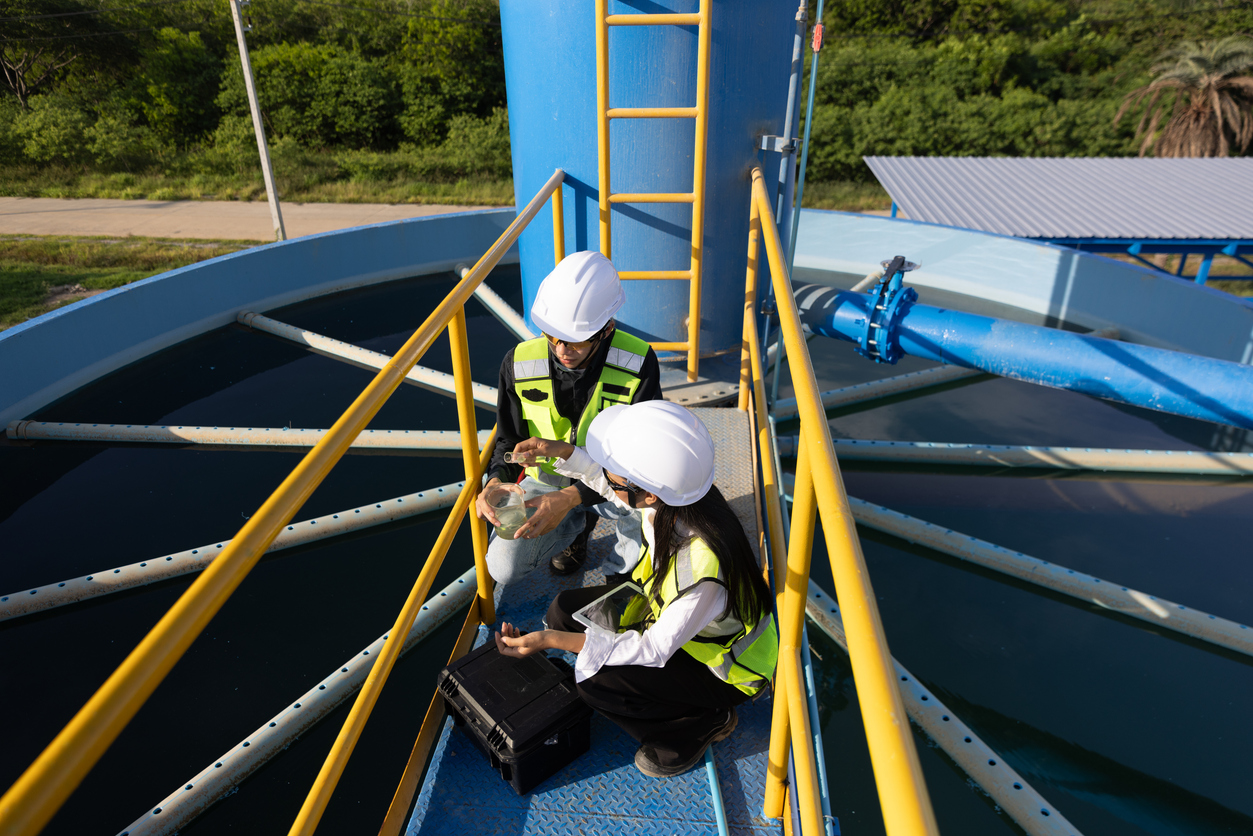
Water treatment companies work in environments where mistakes can have serious consequences. Their operations often involve handling chemicals, treating water systems, transporting hazardous materials, and making recommendations that directly affect water quality and safety.
Some of the most common exposures include:
- Chemical handling and storage
- Legionella and bacteria-related claims
- Cooling tower and boiler treatment operations
- HAZMAT transportation
- Water contamination allegations
- Professional recommendations and consulting services
- Environmental releases and pollution incidents
Unlike many contractor claims, losses in the water treatment industry frequently develop over time. A contamination issue may not become apparent until weeks or months after work has been completed. A treatment recommendation could later be blamed for equipment damage or water quality issues.
These situations can trigger completed operations, professional liability, or pollution-related claims that fall outside the scope of a standard policy.
Core Coverages Every Program Needs
A strong water treatment program should address multiple exposure categories rather than focusing solely on general liability. General liability remains an important foundation because it helps address third-party bodily injury and property damage claims. However, it’s just one component of a comprehensive insurance strategy.
- Products and completed operations liability: Many claims arise after work has been completed. If a treatment system fails, causes damage, or contributes to contamination, completed operations coverage may play a critical role.
- Professional liability: Water treatment companies routinely provide technical recommendations regarding chemicals, treatment methods, system performance, and compliance. Professional liability coverage can help address claims alleging negligent advice or recommendations.
- Pollution liability: Pollution exposures exist throughout the water treatment industry. Coverage should address both sudden and gradual pollution events whenever possible.
- Product recall protection: If a defective chemical, component, or treatment product enters the market, recall expenses can create significant financial strain. Product recall coverage may help address those costs.
When reviewing a water treatment program, agents should consider the following checklist:
- Professional liability included
- Occurrence-form pollution coverage
- Broad contaminant protection
- Product recall exposure evaluated
- Adequate pollution liability limits
Agents should also recognize that regulatory expectations continue to evolve. Standards and guidance surrounding water management programs, including Legionella prevention efforts, have increased scrutiny on water treatment operations. As a result, insurance programs that may have been adequate a few years ago may no longer address today’s risk environment.
Building Stronger Water Treatment Programs
The best water industry insurance placements are not simply judged by what they cover. They are judged by what they do not exclude. Agents should pay close attention to exclusions involving mold and fungi, Legionella, bacteria, corrosive substances, pollutants and contaminants, and gradual pollution events.
Coverage is only part of the equation, however. Strong water industry insurance programs also account for how a company manages its day-to-day risks. Specialized underwriters look beyond policy forms and limits to understand the controls, procedures, and risk-management practices a business has in place.
Specialized underwriters evaluate a wide range of operational factors when assessing water treatment risks, including:
- Chemical handling procedures
- Contract management practices
- Legionella prevention protocols
- Employee training programs
- Cybercrime and data security exposures
- Additional insured requirements
- Hold-harmless agreements
- Documentation and recordkeeping processes
These factors help determine both the quality of the risk and the effectiveness of the overall insurance program.
Getting Ahead of Water Industry Exposures
Water treatment companies operate in a highly specialized industry. Their insurance programs should reflect that reality.
For agents, the goal should be to build a water treatment program that addresses operational, environmental, and professional exposures together. A piecemeal approach can leave significant gaps that only become apparent after a claim is filed.
By carefully evaluating exclusions, coverage triggers, pollution protection, and risk-management support, agents can help clients secure more comprehensive protection and reduce the likelihood of unexpected coverage disputes.
For assistance reviewing a water treatment account or evaluating coverage options, reach out to WaterColor Management to discuss solutions designed specifically for the water industry.
About WaterColor Management
WaterColor Management has insured the water industry for over 30 years. Our policies include unlimited defense cost coverage in the event of a lawsuit against you. Call us at (855) 929-0824 or email info@watercolormanagement.com for a quick quote for your Water Business Professional, Products/Completed operations, Pollution, and General Liability Insurance.