


Of all the factors that influence a water industry liability insurance premium, claims history is probably the most misunderstood — and the most likely to generate frustrated client calls. Why is a three-year-old spill still affecting pricing? Why does a business with a clean recent record still face a surcharge?
As an agent, the clearer your grasp of how underwriters interpret loss data, the better you can set expectations, explain decisions, and advocate effectively for your water business clients.
How Claims Shape Liability Insurance Premiums
Underwriters treat claims history as one of the most reliable predictors of future loss potential. A liability insurance premium for a water business reflects not only what happened but also what those losses suggest about how the operation runs.
Claim count alone is not the full story. Underwriters weigh frequency, severity, timing, and operational context — particularly for water businesses carrying pollution liability, chemical transport, or products liability exposures. These are specialty risks with real tail potential, and carriers price them accordingly.
According to the American Water Works Association’s 2026 State of the Water Industry Report, the sector is also grappling with aging infrastructure, emerging contaminants like PFAS and microplastics, rising treatment costs, and growing cybersecurity vulnerabilities — all of which translate directly into expanded liability exposure. Underwriters pricing these risks aren’t working from a simple formula.
What Underwriters Actually Review
When a carrier pulls five years of loss runs on a water business, they’re looking for patterns, not just incidents. Specifically, they evaluate:
- Claim frequency: How often losses occur relative to the size and scope of the operation
- Claim severity: The dollar impact of individual losses and total aggregate costs
- Open versus closed claims: Unresolved claims, which signal ongoing exposure and uncertainty
- Loss trends: Whether incidents are increasing, decreasing, or clustering around specific operations
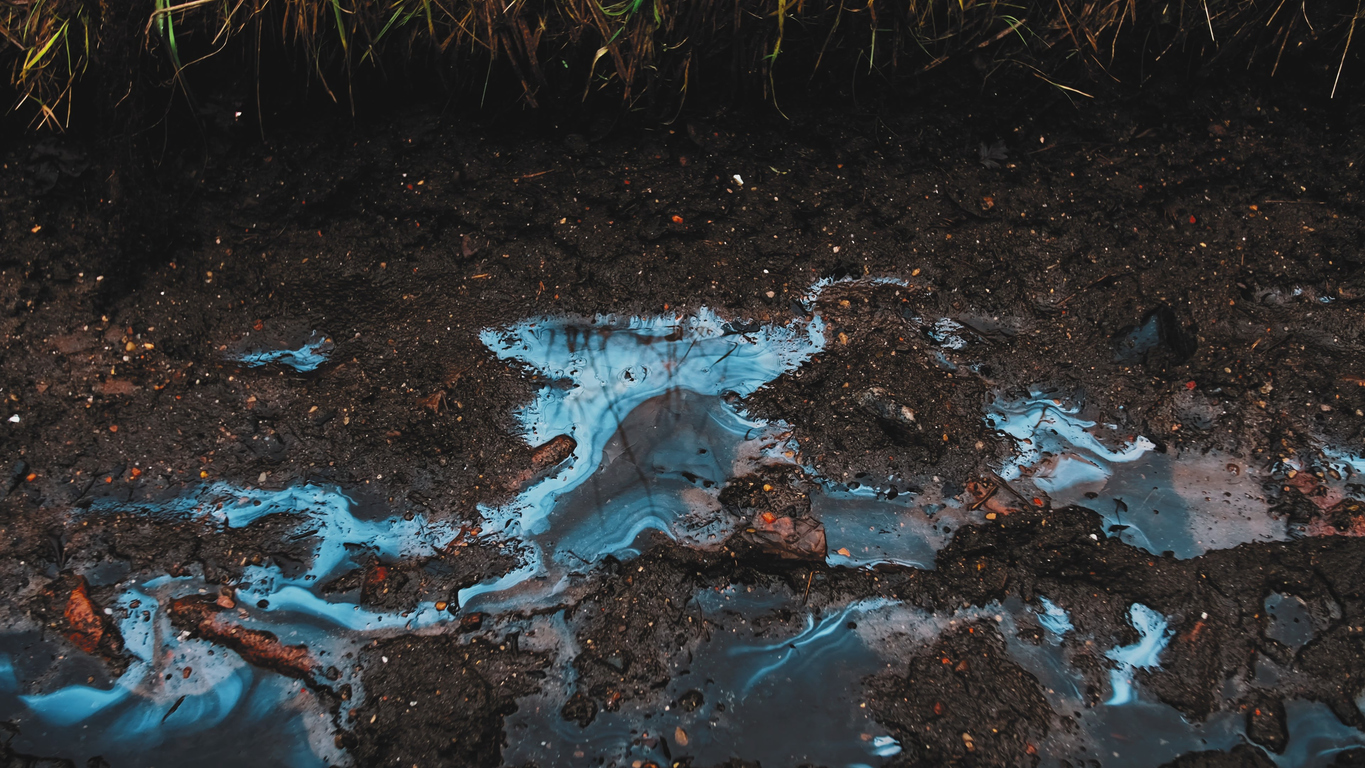
Consider this scenario: A water treatment company with three small chemical spill claims over four years may face more underwriting resistance than a competitor with one larger, isolated property damage claim. The reason is pattern recognition. Repeated chemical-related losses suggest systemic handling issues — exactly the kind of recurring exposure specialty carriers want to avoid.
Older losses don’t automatically age out, either. If the underlying operational conditions haven’t visibly changed, a carrier may still factor a five-year-old claim into current premium calculations.
Presenting Claims History in the Best Light
Here’s where agents earn their value: claims narrative. A loss run without context is an open invitation for worst-case underwriting assumptions. A well-framed narrative — one that identifies the root cause, explains corrective action taken, and demonstrates why recurrence is unlikely — changes the conversation.
For each significant claim, prepare a brief written explanation alongside the loss run. Clear, factual, and forward-looking language works best. Vague or defensive framing raises more questions than it answers.
Unexplained losses invite scrutiny. Contextualized ones invite dialogue.
Partner With WaterColor Management
Claims history shapes premiums, but it doesn’t have to define insurability. How those losses are presented, explained, and framed matters just as much as the numbers themselves.
If you’re working through a difficult claims history on a water business submission, WaterColor Management can help. Our team understands the nuances of water industry underwriting and works with agents to position challenging accounts effectively. Get in touch with us before your next submission.
About WaterColor Management
WaterColor Management has insured the water industry for over 30 years. Our policies include unlimited defense cost coverage in the event of a lawsuit against you. Call us at (855) 929-0824 or email info@watercolormanagement.com for a quick quote for your Water Business Professional, Products/Completed operations, Pollution, and General Liability Insurance.