



When a claim arises from geothermal drilling or loop field installation, does the client’s groundwater insurance coverage respond as expected? The answer may become complicated once the details of the loss emerge.
A problem that starts below ground could involve damaged equipment, alleged groundwater contamination, faulty installation, or work completed months earlier. If the contractor also provided specifications or recommendations, professional liability questions could enter the claim as well. For agents placing coverage for geothermal contractors, the important question is whether the insurance program follows the work from drilling through installation and beyond.
One Geothermal Project Can Create Several Exposures
Geothermal work does not fit into just one risk category. A contractor may drill the loop field, contribute to system layout, oversee installation, and supply components used in the finished system.
Geothermal systems use underground piping, or loops, to transfer heat between a building and the ground. Depending on the site and system design, those loops may run horizontally through trenches or vertically through drilled boreholes. Understanding the different types of geothermal systems helps illustrate why a single project can involve drilling, installation, equipment, and design-related exposures.
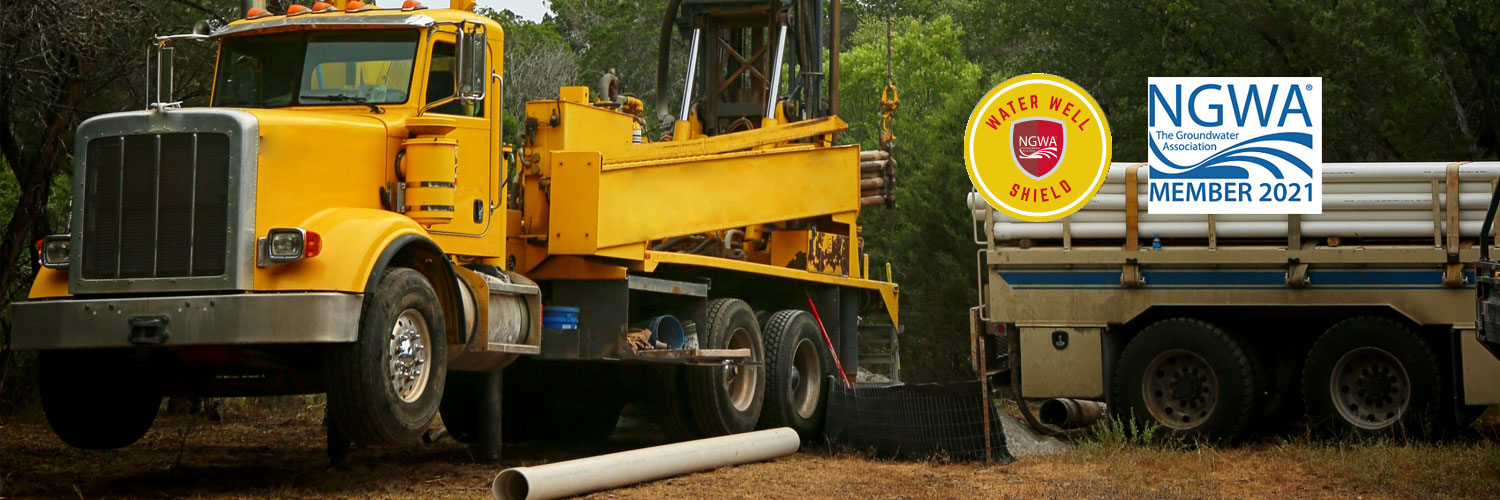
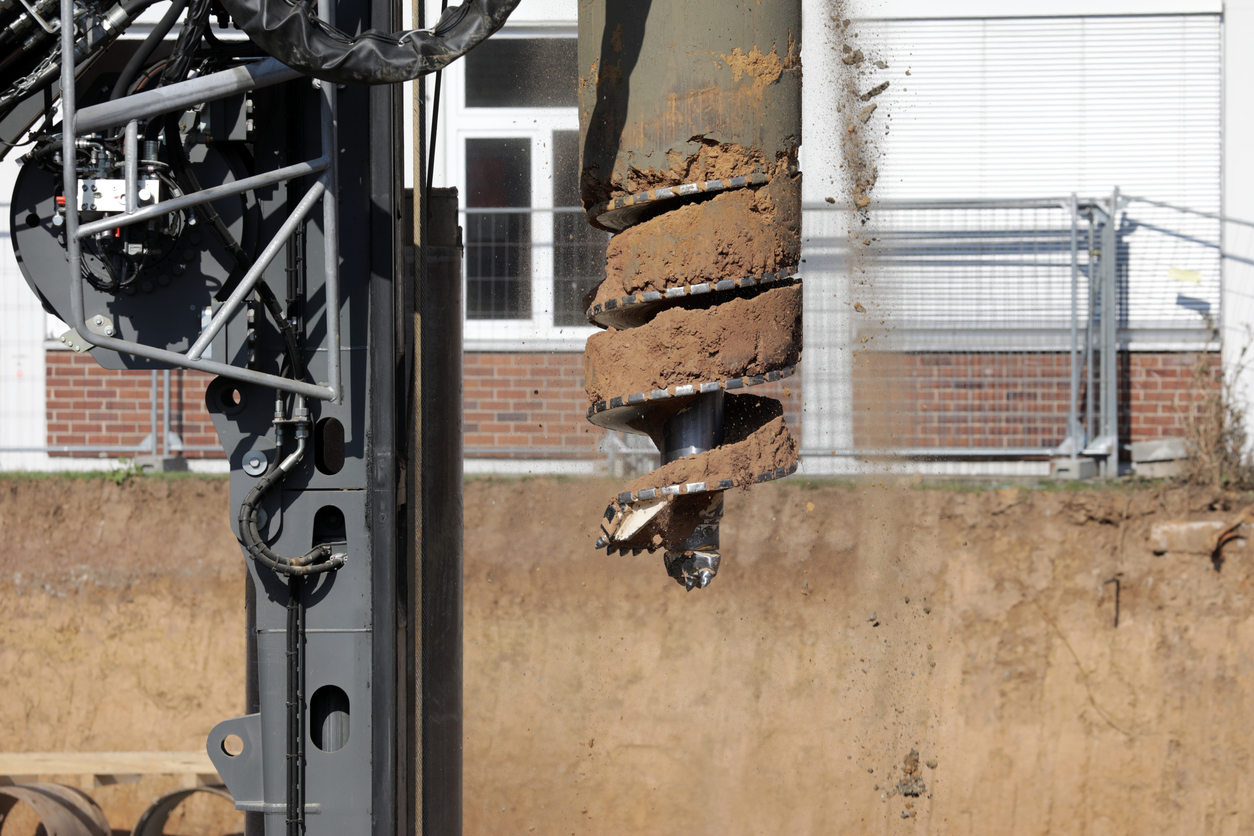
The exposures also change as the project progresses. Geothermal drilling puts equipment below ground and requires contractors to work around groundwater resources. The U.S. Department of Energy’s overview of geothermal drilling operations explains that drilling involves components such as the drill string and drill bit, while well casing helps protect freshwater aquifers. Installation and system layout can introduce additional liability concerns, and problems that emerge after the job is finished can raise questions about completed operations.
That overlap is one reason geothermal projects can involve multiple insurance classifications. Instead of starting with a contractor classification and assuming the policy fits, agents should begin with the scope of work and trace the potential liabilities associated with each stage.
A Claim Can Reveal Several Coverage Questions at Once
Consider a contractor who completes a geothermal installation and leaves the site with the system operating as intended. Months later, testing identifies a groundwater problem near the property, and the contractor’s drilling work becomes one possible source under investigation.
The allegation immediately raises questions. Did drilling create a pathway for the contaminant? Did an installation error contribute to the problem? Did the contractor make decisions about the loop field design or placement? When did the alleged contamination occur?
Those facts could bring several parts of the insurance program into the discussion.
What Agents Should Look For in Groundwater Insurance Coverage
Agents reviewing groundwater insurance coverage should examine:
- Pollution liability: Review what constitutes a covered pollution event and whether any relevant contaminants are excluded.
- Completed operations: Verify how the policy addresses claims arising after the contractor finishes the work.
- Professional liability: Determine whether design input, specifications, recommendations, or other professional services create an exposure.
- Down-the-hole coverage: Review protection for equipment and property involved in subsurface drilling operations.
- Equipment coverage: Consider how inland marine coverage addresses drill rigs, tooling, and mobile equipment used throughout the project.
- Contaminant exclusions: Check whether the policy excludes contaminants that can become relevant to groundwater claims, including bacteria, mold, arsenic, radon, and lead.
The presence of pollution or general liability coverage alone does not answer those questions. Definitions, exclusions, triggers, and the circumstances of the loss determine how a policy may respond.
Put the Scope of Work Against the Policy
A coverage review starts with questions about operations. Does the contractor drill only, or install the loop field as well? Who determines borehole placement and depth? Does the contractor provide recommendations or specifications? What equipment goes below ground? What materials does the company handle? What responsibilities continue after the project is complete?
Then put those answers against the policy wording. Occurrence-form pollution coverage, completed operations, professional liability, down-the-hole protection, and contaminant exclusions can each affect the outcome of a geothermal claim. Agents should identify conflicts, exclusions, or gaps among those coverages before the policy is placed or renewed.
For agents working with geothermal contractors, the best place to start is the client’s scope of work. From there, agents can determine whether the groundwater insurance program addresses the drilling, equipment, environmental, professional, and completed operations exposures involved.
About WaterColor Management
WaterColor Management has insured the water industry for over 30 years. Our policies include unlimited defense cost coverage in the event of a lawsuit against you. Call us at (855) 929-0824 or email info@watercolormanagement.com for a quick quote for your Water Business Professional, Products/Completed operations, Pollution, and General Liability Insurance.