



Most septic tank insurance reviews focus on pollution at the job site — a cracked tank, a failed line, or contamination that stays on one property. Pollution during transport is a separate exposure that doesn’t always get the same scrutiny at renewal.
Haulers moving sewage, sludge, or grease off-site carry that exposure every time a truck leaves the yard, regardless of whether the policy was written with it in mind. Here’s a look at where that coverage actually stands and what to check before an accident forces the question.
Transportation Spill Exposures
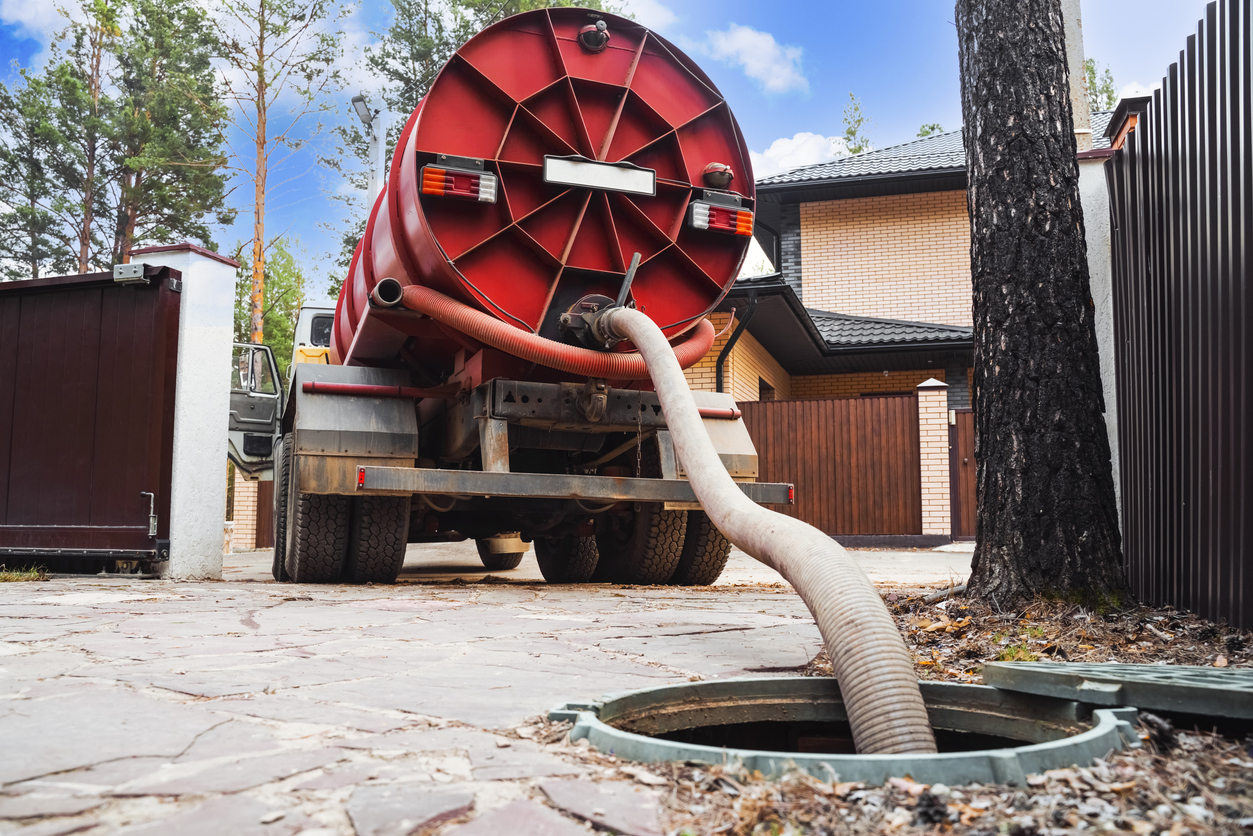
Septic, sewer, and wastewater operations carry pollution exposure well beyond the job site. Every load of sewage, sludge, or grease moving down a highway carries the same liability as a spill at a customer’s property would, sometimes with more parties involved. A single accident can trigger environmental remediation costs, a third-party bodily injury or property damage claim, a regulatory reporting obligation, a state cleanup order, and business interruption losses.
During peak service periods — such as festival season, a construction surge, or disaster response work — trucks run more routes on tighter schedules. Every additional trip is another chance for a transport-related loss. Agents reviewing coverage should confirm the program addresses pollution in transit, at customer locations, and during loading and unloading, not just at the yard.
Where Coverage Gaps Appear
The most common gap is a pollution policy that excludes spills in transit and only covers pollution at a fixed location. Close behind is a split between commercial auto and the pollution policy. Commercial auto pays for the vehicle and any vehicle-related injuries or property damage; the pollution policy is supposed to cover cleanups, but it won’t if it doesn’t name transit as a covered location.
Consider this scenario: A wastewater-hauling vehicle collides with a guardrail and releases contaminated material into a storm drain. The immediate damage looks minor. The remediation bill and the third-party claims surface months later, once contamination has worked its way into the surrounding soil and the water table.
Given how widespread per- and polyfluoroalkyl substances (PFAS) contamination already is in wastewater discharge and biosolids, regulators have little patience for uncontained releases. Agents need to check how pollution liability, commercial auto, completed operations, and environmental response obligations divide that claim among themselves before a transport loss happens, not after.
Does Septic Tank Insurance Cover Pollution in Transit?
Not automatically. Coverage for pollution during transportation depends on how the pollution liability policy is structured — whether it names transit as a covered location, extends to customer sites and HAZMAT operations, and responds to both sudden and gradual releases. An agent who assumes transit is covered because the program mentions “pollution liability” is taking on a client’s uninsured exposure without knowing it.
Structuring Better Septic Coverage
A strong septic program addresses transportation exposure within its pollution strategy from the start, along with job-site pollution and completed operations. Before signing off on a placement, agents should confirm the following:
- Transportation pollution: Coverage applies to spills that happen in transit, not just on-site.
- Customer-site protection: Pollution triggered at a client’s property is covered.
- Sudden and gradual triggers: Both types of release are addressed, not just sudden ones.
- Auto and pollution coordination: The two policies don’t leave a gap between them.
- Adequate limits: Primary and excess pollution capacity match the fleet’s actual risk.
- Completed operations pollution: Coverage extends past the day the job is finished.
A septic tank insurance placement that skips any one of these leaves a client exposed the day a truck goes off the road. Review your client’s current program against this list, and get in touch with WaterColor Management to close any gaps.
FAQ About Septic Tank Insurance
Does commercial auto insurance cover pollution spills during hauling?
Rarely on its own. Commercial auto typically responds to the vehicle damage and any resulting bodily injury or property damage from the accident itself, but pollution cleanup costs usually fall to a separate pollution liability policy — one that has to specifically include transportation as a covered exposure.
Is pollution from a septic truck accident covered under general liability?
Standard general liability policies commonly exclude pollution incidents outright. General liability excludes environmental cleanup costs and the regulatory obligations that follow a spill, which is exactly why the pollution liability policy exists as a separate product.
What triggers regulatory involvement after a wastewater spill?
State environmental agencies typically get involved once a spill reaches a waterway, storm drain, or protected land, regardless of the spill’s size. Reporting thresholds vary by state, but a hauler transporting sewage or sludge should assume any release into water or soil will draw a response.
About WaterColor Management
WaterColor Management has insured the water industry for over 30 years. Our policies include unlimited defense cost coverage in the event of a lawsuit against you. Call us at (855) 929-0824 or email info@watercolormanagement.com for a quick quote for your Water Business Professional, Products/Completed operations, Pollution, and General Liability Insurance.