

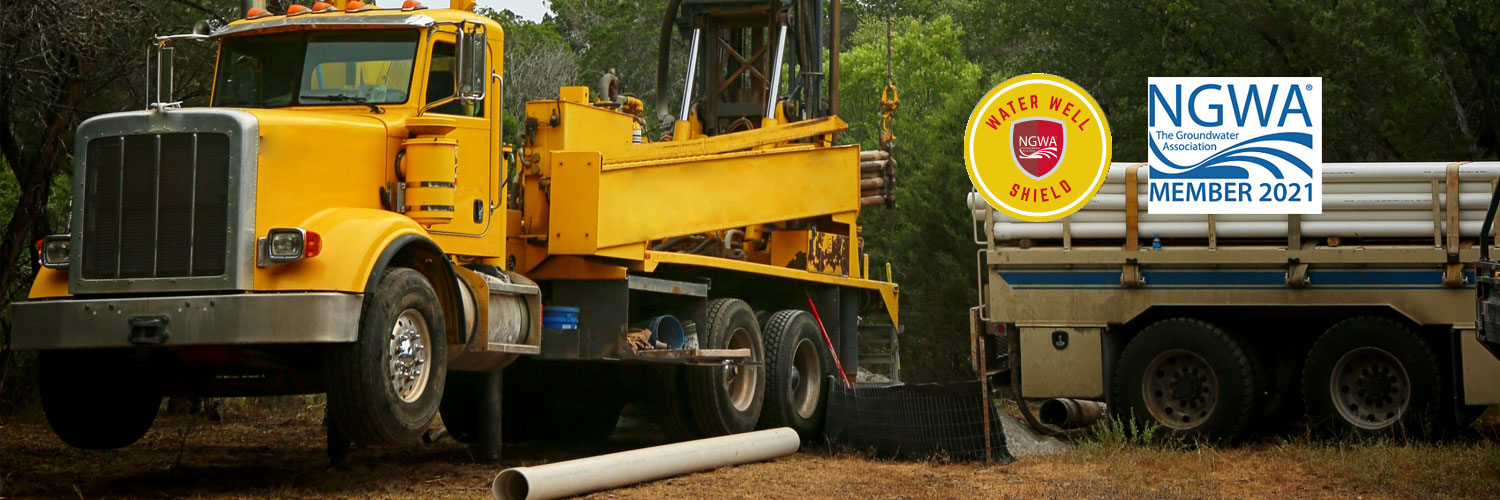


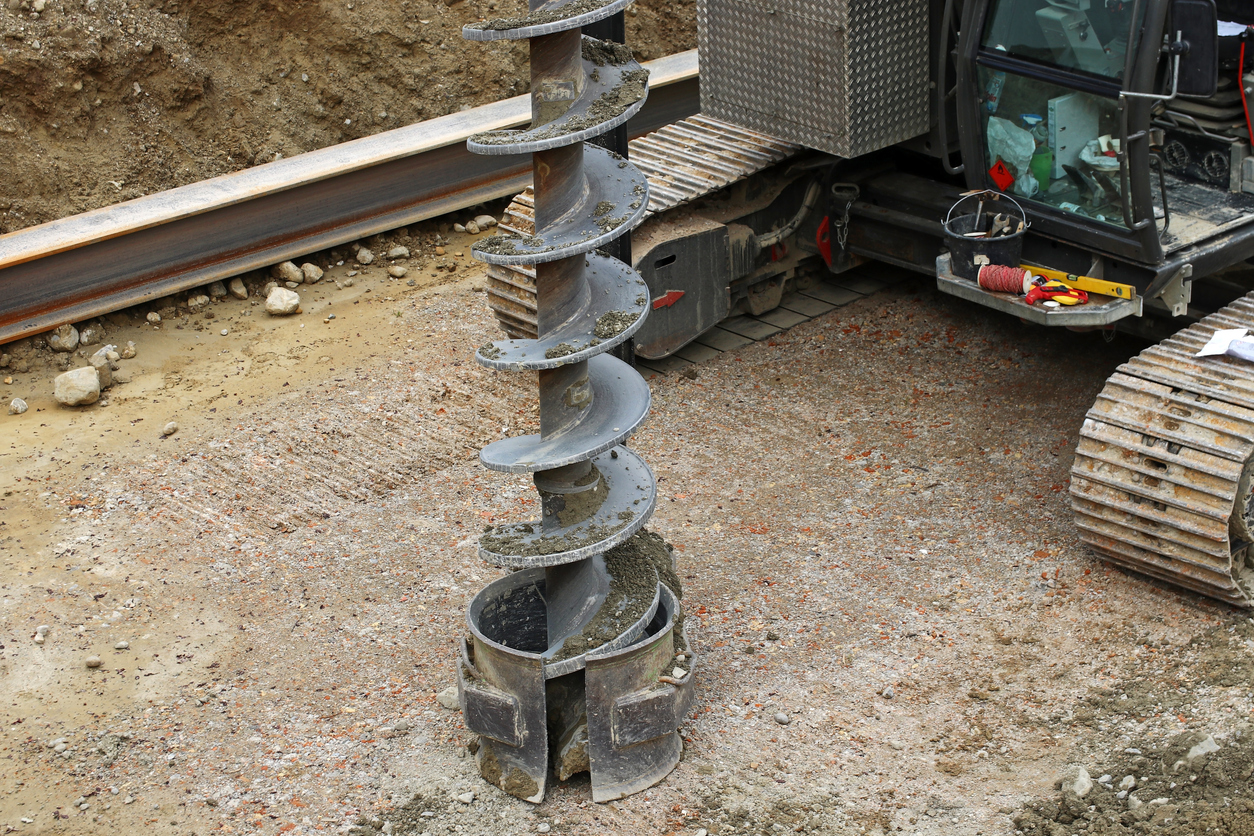
Geothermal systems are showing up in more commercial developments as property owners look for long-term heating and cooling solutions. Market forecasts point to continued expansion in the sector as investment in geothermal infrastructure grows. As more of these projects move forward, insurance agents are encountering a challenge: Geothermal operations do not fit neatly into a single contractor classification. The work combines drilling, environmental exposure, system design input, and long-term performance risk. For agents serving this space, groundwater insurance provides a structure that reflects the full scope of geothermal work.
Where Geothermal Classifications Break Down
Geothermal projects get misclassified because the work does not stay within one trade.
A contractor may drill the loop field, help shape system layout, oversee installation, and supply components used in the finished system. Once those roles overlap, the account involves more than a single contractor classification.
Let’s say a contractor installs a loop field for a commercial property, contributes to the system layout, and provides loop components. Two years later, groundwater contamination is alleged.
At that point, several coverage questions can surface:
- The general liability carrier points to a pollution exclusion.
- Design input raises professional liability concerns.
- Supplied components introduce product or completed operations exposure.
The original contractor classification does not reflect what the contractor actually did.
Agents should take a closer look when a geothermal submission includes:
- Drilling that interacts with groundwater
- Contractor input on system design
- Distribution of geothermal components
- Performance guarantees tied to the system
When those elements appear together, the exposure extends beyond a single trade classification.
Pollution and Subsurface Liability Risks
Geothermal work interacts directly with groundwater and subsurface geology. Boreholes pass through multiple soil layers, drilling fluids circulate underground, and loop systems remain buried for the life of the project. Environmental concerns may arise during installation or years after the system is in place.
Pollution liability needs to address several exposure points:
- Drilling operations at the jobsite
- Transportation and handling of drilling fluids or materials
- Subsurface migration that appears after installation
A claim may begin with a drilling fluid spill. In another case, groundwater testing near the site may later raise questions about contamination connected to the installation.
Because geothermal systems operate below ground, environmental issues may surface long after the contractor has completed the work.
Professional, Equipment, and Completed Operations Exposure
Geothermal projects combine several exposures within the same job.
A contractor may be responsible for multiple parts of the project, including:
- Drilling the loop field
- Contributing to system layout or specifications
- Overseeing installation
- Supplying loop components used in the system
Once a contractor provides input on system design or expected performance, professional liability becomes part of the risk.
Equipment exposure is another factor. Drill rigs, tooling, and mobile drilling machinery require inland marine coverage, and down-the-hole exposure can lead to costly losses if equipment fails underground.
Completed operations also deserve attention. Geothermal systems remain underground for decades. If a loop leaks, shifts, or fails years after installation, the claim may involve installation decisions, system performance, and groundwater conditions simultaneously.
Product exposure can also arise when contractors distribute loop components or other system parts used in the installation.
Building the Placement Around the Work
Geothermal development combines drilling, environmental exposure, equipment risk, professional services, and long-term liability within a single project. Looking at only one part of that work can leave gaps in the placement.
For agents serving groundwater contractors and geothermal developers, the key step is evaluating the full scope of the operation. The question is not which single classification fits the submission. It’s how the project’s drilling work, environmental exposure, equipment risk, and system performance responsibilities connect. Understanding those overlapping exposures helps agents structure groundwater insurance that reflects the actual work involved with a geothermal project.
WaterColor Management has worked with the water industry for more than three decades, helping agents place coverage for groundwater contractors and related operations nationwide. Agents evaluating geothermal projects that involve drilling and groundwater exposure can reach out for a quote.
About WaterColor Management
WaterColor Management has insured the water industry for over 30 years. Our policies include unlimited defense cost coverage in the event of a lawsuit against you. Call us at (855) 929-0824 or email info@watercolormanagement.com for a quick quote for your Water Business Professional, Products/Completed operations, Pollution, and General Liability Insurance.