


Grease trap haulers expect more from pollution liability insurance today than they did a few years ago. What once resembled basic contractor liability now needs to reflect regulated wastewater work, transportation exposure, and environmental oversight.
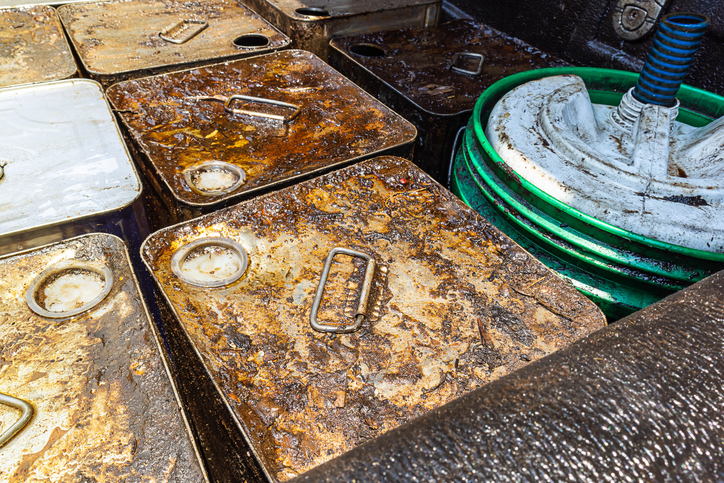
Grease trap hauling has become more operationally complex. Crews collect contaminated waste, transport it across public roads, and discharge it at approved facilities. That work creates exposure beyond the jobsite itself.
So, what do grease trap haulers actually expect from contractors pollution liability insurance today? This article explains how modern coverage solutions should address transportation pollution, bacteria exposure, completed operations concerns, and contractual obligations.
Pollution Must Travel With Them
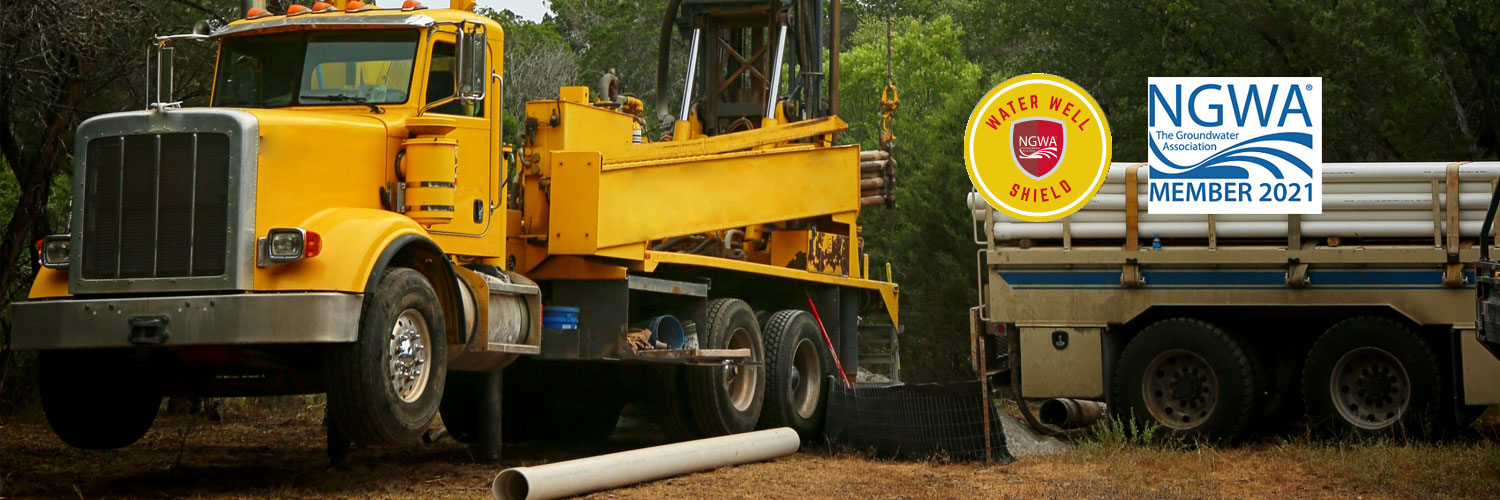
Grease trap haulers are frequently on the move. Crews pump waste on site, drive through traffic, and unload at treatment facilities. Exposure follows the truck at every stage.
Because of that movement, many grease trap haulers need a dedicated pollution liability solution in addition to general liability (GL). Agents should confirm whether pollution coverage is written to apply on site, during transportation, and at customer locations, subject to the form’s triggers and conditions. Otherwise, a roadway spill or a hose rupture can quickly lead to cleanup costs and third-party claims.
Furthermore, many general liability policies contain broad pollution exclusions. Transportation-related pollution may fall outside a standard GL coverage unless specifically structured. Therefore, agents should review how pollution coverage is written and triggered.
Regulators such as the Environmental Protection Agency also monitor these operations closely and take appropriate water-related enforcement actions. That enforcement activity confirms how seriously authorities view environmental transport exposure.
Bacteria and Completed Ops Exposure
Grease trap hauling naturally involves bacteria and organic contaminants. That exposure does not end when the truck leaves the property.
However, some policies exclude fungi or bacteria. Others narrow coverage through pollutant definitions. Agents should never assume that general liability automatically covers bacteria-related allegations, as coverage depends on policy wording and endorsements.
Completed operations coverage may become relevant if claims arise after the work is finished. However, completed operations is part of general liability and does not override pollution or bacteria exclusions. The specific allegations and policy language ultimately determine how a claim responds.
Specialized programs may package several liability solutions while clarifying how completed operations applies. Some programs also address mold, lead, or bacteria considerations through industry-specific endorsements, subject to underwriting review.
When agents explain how these coverage components interact, clients gain a clearer understanding of their protection. That transparency also helps reduce the agent’s own errors and omissions exposure.
Contracts, Autos, and Equipment Risks
When agents evaluate pollution, contracts, auto exposure, and equipment together, they can structure a pollution liability insurance program that reflects real operations.
Contractual Obligations
Grease trap haulers frequently work under municipal or commercial contracts. These contracts often require additional insured status, hold harmless language, and specific pollution limits.
Thus, contractors pollution liability insurance should align with those contractual obligations. Otherwise, an operator may secure the job but face compliance gaps at the insurance level.
Commercial Auto Exposure
Vacuum trucks operate daily in traffic environments. Hired and non-owned auto exposure may arise when subcontractors or temporary vehicles are involved. Agents should also confirm how pollution arising from auto use is addressed, as standard commercial auto forms limit pollution coverage to certain vehicle-related events.
Equipment Coverage
Pumps, hoses, and vacuum systems generate daily revenue. Inland marine or equipment coverage may protect those assets from physical damage.
Closing the Coverage Gaps in Grease Trap Hauling Operations
Ultimately, grease trap haulers need an insurance program that reflects the full scope of their environmental and operational exposures. Instead of stripped-down contractor coverage, they want comprehensive protection.
For insurance agents, thoughtful placement goes beyond selecting limits. It means aligning pollution liability insurance and other coverages with how grease trap hauling truly operates in the field.
If you’re reviewing insurance for grease trap hauling operations, consider whether the coverage structure follows the work from jobsite to roadway to disposal facility. WaterColor Management can help evaluate how a specialized program may support your next placement.
About WaterColor Management
WaterColor Management has insured the water industry for over 30 years. Our policies include unlimited defense cost coverage in the event of a lawsuit against you. Call us at (855) 929-0824 or email info@watercolormanagement.com for a quick quote for your Water Business Professional, Products/Completed operations, Pollution, and General Liability Insurance.